CIVIL ENGINEERING ASSISTANT: GENERAL INFORMATION
Click to see more images

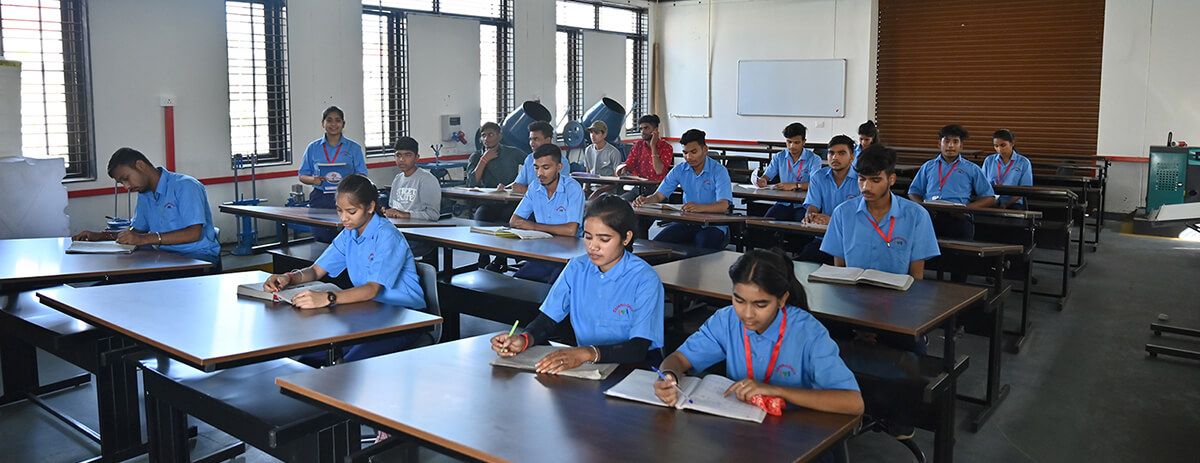


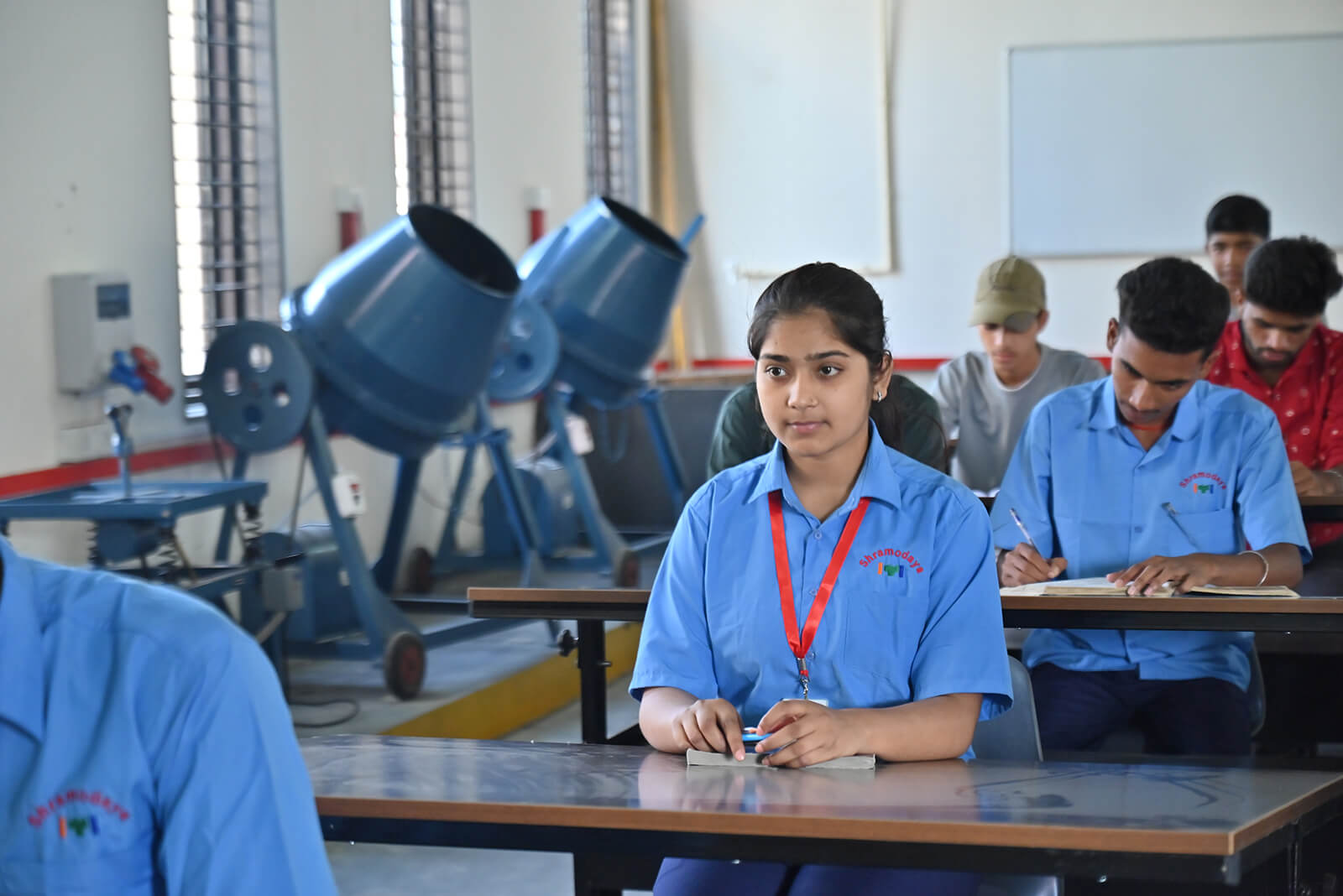
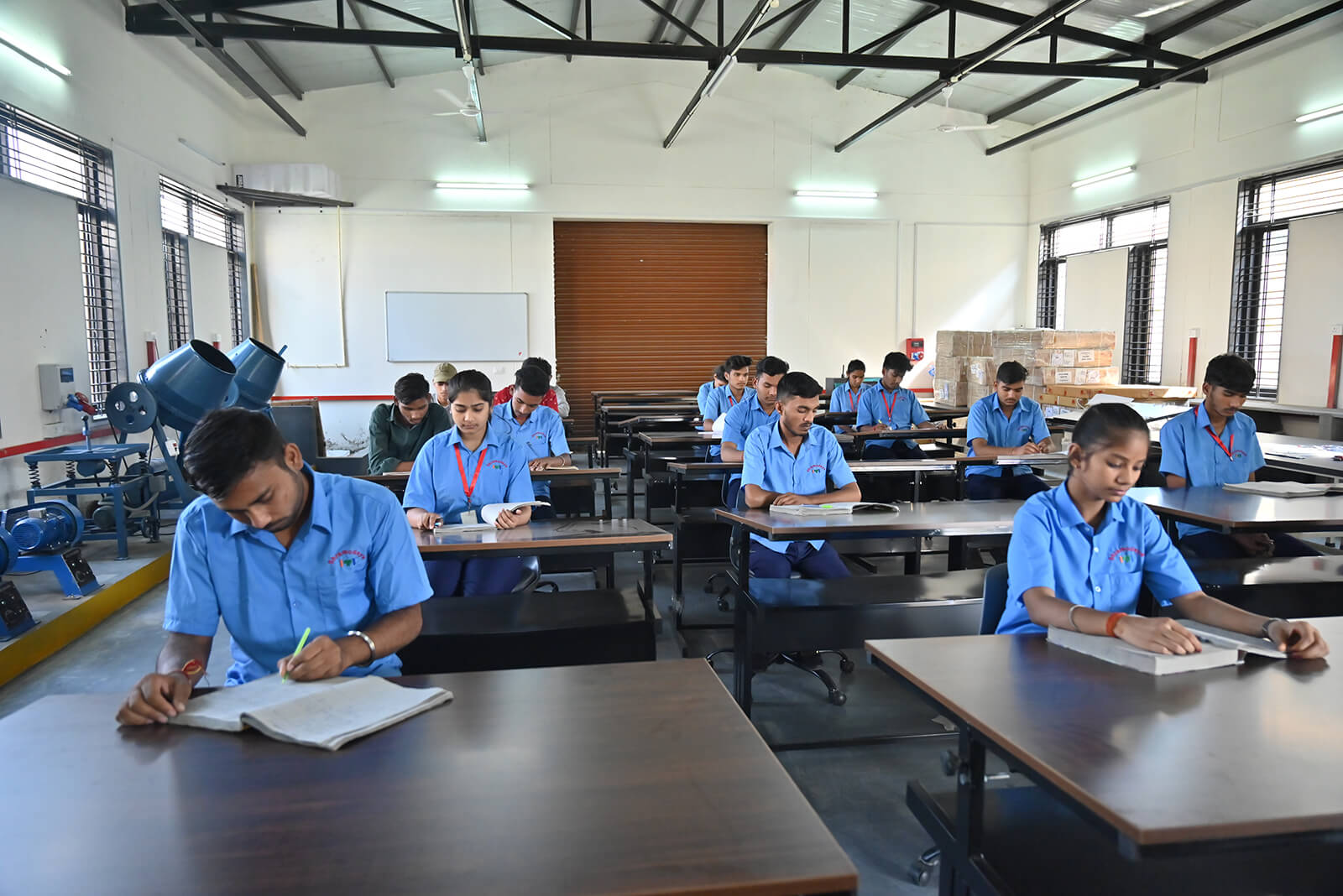
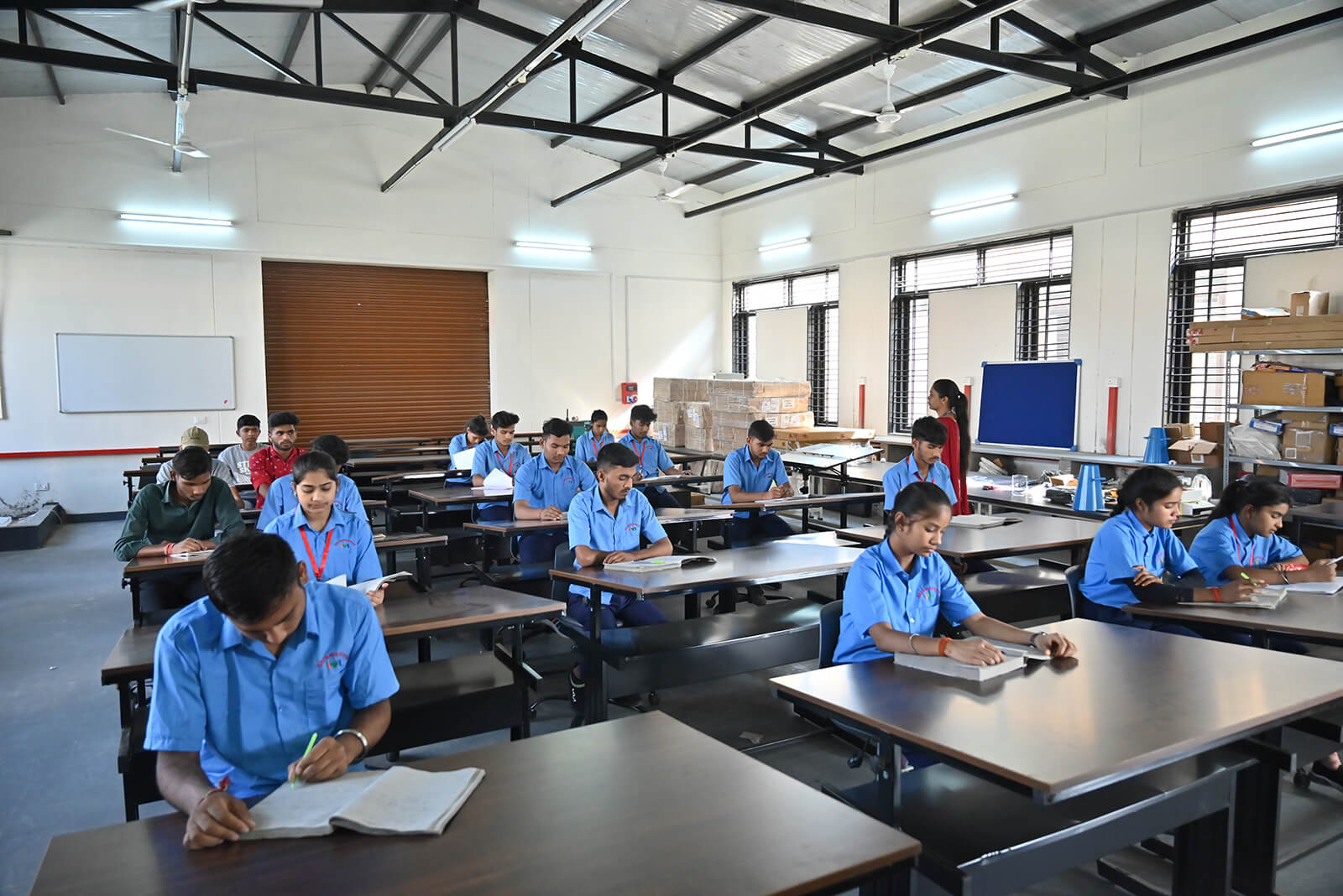

| Name of the Trade | CIVIL ENGINEERING ASSISTANT (Engineering Trade) |
|---|---|
| Trade Code | DGT/1088 |
| NCO - 2015 | 3112.9900, 3112.0100 |
| NOS Covered | PCS/N9446, PCS/N9447, PCS/N9448, PCS/N9449, PCS/N9450, PCS/N9451, PCS/N9452, PCS/N9453, PCS/N9454, PCS/N9455, PCS/N9456, PCS/N9457, PCS/N9458, PCS/N9459, PCS/N9460, PCS/N9461, PCS/N9462, PCS/N9463, PCS/N9464, PCS/N9465, MIN/ N0454, MIN/ N0454, MIN/ N0454, PCS/N9466, PCS/N9467, MIN/N3102, MIN/N3102, MIN/N3102, MIN/N3104 MIN/N3105, MIN/N3101, MIN/N3102, MIN/N3103, MIN/N3208, PCS/N9468, PCS/N9469, PCS/N9470, PCS/N9471, PCS/N9472, PCS/N9473, PCS/N9474, PCS/N9475, PCS/N9476, PCS/N9477, PCS/N9478, PCS/N9479, PCS/N9480, PCS/N9481, PCS/N9482, PCS/N9483, PCS/N9484, PCS/N9485, PCS/N9486, PCS/N9487, PCS/N9488, PCS/N9489, PCS/N9490, PCS/N9491, PCS/N9492 |
| NSQF Level | Level – 4 |
| Duration of Craftsmen Training | Two years (2400 hours + 300 hours OJT/Group Project) |
| Entry Qualification | Passed 10th class examination with Science and Mathematics or with vocational subject in same sector or its equivalent. |
| Minimum Age | 14 years as on first day of academic session. |
During the two-year duration, a candidate is trained on subjects viz. Professional Skill, Professional Knowledge and Employability Skills related to job role. In addition to this a candidate is entrusted to make/do project work and Extra Curricular Activities to build up confidence. The practical skills are imparted in simple to complex manner & simultaneously theory subject is taught in the same fashion to apply cognitive knowledge while executing task. The practical part starts with simple geometrical drawing and finally ends with preparing sanction plan of Residential / Public building including Architecture & Structural drawing, preparation of map Site Plan, use of different survey instrument, Preparation of Sanitary & Plumbing Layout, detail estimation and costing, bill of materials, BBS of different RCC structures, different maintenance of civil works, Project management of site at the end of the course. The broad components covered under Professional Skill subject are as below:
CIVIL ENGINEERING ASSISTANT: Year wise Trade Overview
FIRST YEAR: The practical part starts with basic drawing (consisting of geometrical figure, symbols & representations). Later the drawing skills imparted are drawing of different scales, projections, drawing of convertions of three views from pictorial views, section drawing of single storied building main wall. Practical training imparted to Identify different building materials, Marking excavation lines & fixing of plinth & floor levels. Setting out foundation trench, Performing brick masonry, plastering, damp proofing, flooring, arches / lintel, stair etc. Practical traing imparted to Perform site survey and prepare site Plan (using Chain & tape, Prismatic compass, Plane table, Levelling instrument, Theodolite and Total Station), field book entry, plotting, mapping, calculation of area, by using different survey instrument and observation of all safety aspects is mandatory. The safety aspects covers components like OSH&E, PPE, Fire extinguisher, First Aid and in addition 5S being taught.
Carpentry; Identification of timber and perform sawing and planning using hand and power tools.Sharpening and setting of saw bladeand planer blade/ cutter, surface finishing with exact sizing by planning operation. Preparation of different wooden Joints. (Range of skill - framing joint, Housing joints, broadening joints, Lengthening joints), Making of wooden job as per drawing with timber or alternatives of timber i.e. FRP, MDF, FOAM. Making of doors and windows.
Electrical; Joining of electrical wire and carry out soldering, crimping. Electrical wiring with fixing of accessories conforming ISI rules ( Range of skills - different types of Electrical wiring, joining of Fuses,fixing of MCB, connection of lamp with switch and different fitting, etc.), Installation of electrical appliances, Earthing and estimate costing of wiring. Identify different types of transformers, test and use.
Plumbing; pipe connection demonstrating use of Plumbing Tools. joining of pipes with different methods. Cutting and joining of pipes using different types of fittings. Preparation of layout of soil pipe and waste pipe with different types of sanitary fittings. installation of water meter and removal of air lock. Preparation of water supply system in residential buildings using different types of valves, fittings and appliances are being taught.In addition students are being taught to create objects on 3D modeling concept in CAD.
SECOND YEAR: Concrete Technology; Test and analysis of cement, aggregate, sand, effect of water cement ratio. Preparation of concrete, carry out form work and reinforcement with the application of modern Power Tools. Preparation of reinforcement of different R.C.C. members i,e, Foundation, beams, columns, slabs, Retaining Wall, etc. Erection of scaffolding and making of intricate form work at different locations. Bar bending and preparation of bar bending schedule and calculation of estimated quantity of materials. Making of shuttering & supports for making different types of arches and lintels with chajja. Lay out different types of vertical movement according to shape, location, materials by using stair, lift, ramp and escalator are being taught.
Project Work, Estimating Costing, Maintenance & Management; On site practical training of piling. Preparation of Single Storied Residential Building Plan as per local by law using CAD. Preparation of drawing with ArchiCAD and 3D Max for Solid Modeling of Architectural / Civil 3D Drawing.Preparation of Solid Modeling of Architectural /Civil 3D Drawing using 3d Max and Revit software, Creating 3D model from 2D plane, Lighting and rendering, Quantity calculation of materials using BIM software like Revit, Preparation of rate analysis of different item of works with detailed Specification. Calculation of floor area and carpet area, Preparation of detail estimate of building by centre line method and separate wall method,calculation of quantities of materials involved and preparation of abstract cost for the works. Performing repair Plastering, white washing, painting flooring, replacing of glass, repolishing of floor, stain removal from floor, wooden works. Field training of Foundation failure, Strengthening of foundation, Rectification of leaking roof, repair of expansion joint. Pre construction and Postconstruction anti - termite treatment and Market survey for different materials used in anti termite treatment. Layout of house plumbing and drainage plan, repairing of service main, waist outlet cleaning of sanitary installation, scrapping and painting of pipes of a new site. Field Training on use of Adhesive in timber, tile fixing, jointing in concrete, joint filler & sealing compound. Field Training on different types of construction equipments in Excavation, Hoisting, Conveying, Drilling. Construction Management training i.e. manpower, materials, machines and economy are being taught to work as an assist of civil engineer and perform as Site Supervisor.
GENERAL
The Directorate General of Training (DGT) under Ministry of Skill Development & Entrepreneurship offers a range of vocational training courses catering to the need of different sectors of the economy/ labour market. The vocational training programs are delivered under the aegis of Directorate General of Training (DGT). Craftsman Training Scheme (CTS) with variants and Apprenticeship Training Scheme (ATS) are two pioneer programs of DGT for propagating vocational training.
Civil Engineering Assistant trade under CTS is one of the popular courses delivered nationwide through network of ITIs. The course is of two-years duration. It mainly consists of Domain area and Core area. The Domain area (Trade Theory & Practical) impart professional skills and knowledge, while Core area (Employability Skills) impart requisite core skill, knowledge and life skills. After passing out the training program, the trainee is awarded National Trade Certificate (NTC) by DGT which is recognized worldwide.
Trainee broadly needs to demonstrate that they are able to:
- Read & interpret technical parameters/documentation, plan and organize work processes, identify necessary materials and tools;
- Perform tasks with due consideration to safety rules, accident prevention regulations and environmental protection stipulations;
- Apply professional knowledge, core skills & employability skills while performing the job, and repair & maintenance work.
- Document the technical parameters in tabulation sheet related to the task undertaken.
PROGRESSION PATHWAYS
- Can join industry as Technician and will progress further as Senior Technician, Supervisor and can rise up to the level of Manager.
- Can become Entrepreneur in the related field.
- Can take admission in diploma course in notified branches of Engineering by lateral entry.
- Can join Apprenticeship programme in different types of industries leading to National Apprenticeship certificate (NAC).
- Can join Crafts Instructor Training Scheme (CITS) in the trade for becoming instructor in ITIs.
- Can join as Assistant supervisor in construction site of high Rise Buildings/Architect's office/Builders.
- Can join Advanced Diploma (Vocational) courses under DGT as applicable.
COURSE STRUCTURE
Table below depicts the distribution of training hours across various course elements during a period of two-years: -
| S No. | Course Element | Notional Training Hours | |
|---|---|---|---|
| 1 st Year | 2nd Year | ||
| 1 | Professional Skill (Trade Practical) | 840 | 840 |
| 2 | Professional Knowledge (Trade Theory) | 240 | 300 |
| 3 | Employability Skills | 120 | 60 |
| Total | 1200 | 1200 | |
Every year 150 hours of mandatory OJT (On the Job Training) at nearby industry, wherever not available then group project is mandatory.
| 4 | On the Job Training (OJT)/ Group Project | 150 | 150 |
|---|
Trainees of one-year or two-year trade can also opt for optional courses of up to 240 hours in each year for 10th/ 12th class certificate along with ITI certification or add on short term courses.
LEARNING OUTCOMES
- Prepare free hand sketches of hand tools used in civil work with proper layout and folding of drawing sheets following safety precaution. PCS/N9446
- Prepare Symbols, Lettering, Numbering, plane figure applying drawing instruments and practice dimensioning Technique as per BIS. PCS/N9447
- Construct plain scale, comparative scale, diagonal scale and vernier scale. PCS/N9448 4. Draw orthographic projections of different objects with proper lines and dimensioning. PCS/N9449
- Draw Isometric, oblique and perspective views of different solid, hollow and cut sections with proper lines and dimensions as per standard convention. PCS/N9450
- Draw component parts of a single storied residential building with suitable symbol and scales. PCS/N9451
- Create objects on CAD workspace using Toolbars, Commands, Menus, formatting layer and style. PCS/N9452
- Identify different types of building materials i.e. Stones, Bricks, Lime, Pozzolanic, Cement, Sand, Clay Products, Mortar their characteristic, types, use & function. PCS/N9453
- Mark different types of Foundation and Set out Foundation trenches. PCS/N9454
- Demonstrate different types of brick masonry and Tools used in different bonds.
- Perform construction of wall - header bond, stretcher bond, English bond, Flemish bond. PCS/N9455
- Perform different types of Plastering & Pointing, rendering & wall cladding.
- PCS/N9456 12. Identify the different types of Protective materials i.e. Paint, Varnish and their application. PCS/N9457
- Demonstrate Damp Proof Course in different position. PCS/N9458
- Prepare different types of Flooring. PCS/N9459
- Perform site survey with Chain/Tape and prepare the site Plan. PCS/N9460
- Perform the site survey using prismatic compass. PCS/N9461
- Perform site survey with plane table and prepare a map. PCS/N9462
- Prepare topography map by contours with levelling instruments. PCS/N9463
- Perform a site survey with Theodolite and prepare site plan. PCS/N9464
- Perform a site survey with Total Station and prepare site plan. PCS/N9465
- Identify timber and perform sawing and planning using hand and power tools. MIN/ N0454
- Demonstrate surface finish with exact sizing by planning operation. MIN/ N0454
- Prepare different wooden Joints. (Range of skill - framing joint, Housing joints, broadening joints, Lengthening joints ) MIN/ N0454
- Make small wooden job as per drawing with schedule sizes of timber or alternatives of timber i.e. FRP, MDF, FOAM using various hardware. PCS/N9466
- Make different types of doors and windows with fixing of component. PCS/N9467
- Demonstrate joining of electrical wire and carry out soldering, crimping observing related safety precautions. MIN/N3102
- Demonstrate Electrical wiring with fixing of accessories conforming ISI rules.( Range of skills - different types of Electrical wiring, joining of Fuses, fixing of MCB, connection of lamp with switch and different fitting, etc.) MIN/N3102
- Demonstrate installation of electrical appliances, Earthing and estimate costing of wiring. MIN/N3102, MIN/N3104, MIN/N3105
- Identify different type of transformers and test and use. MIN/N3101, MIN/N3102, MIN/N3103
- Prepare a Simple pipe connection demonstrating cutting, joining of pipe with different method using different types of fittings. MIN/N3208
- Prepare layout of soil pipe and waste pipe with different types of sanitary fittings. PCS/N9468
- Prepare a water supply system in residential buildings using different types of valves,fittings and appliances. PCS/N9469
- Create objects on 3D modeling concept in CAD. PCS/N9470
- Demonstrate basic mathematical concept and principles to perform practical operations. Understand and explain basic science in the field of study. PCS/N9471
- Demonstrate test and analysis of cement, aggregate, sand, effect of water cement ratio. PCS/N9472
- Prepare concrete, carry out simple form work and reinforcement with the application of modern Power Tools. PCS/N9473
- Prepare reinforcement of different R.C.C. members i,e, Foundation, beams, columns, slabs, Retaining Wall, etc. PCS/N9474
- Erect scaffolding and make intricate form work at different locations. PCS/N9475
- Prepare a bar bending schedule and demonstrate bar bending and calculate the estimated quantity of materials. PCS/N9476
- Make different types of arches and lintels with chajja. PCS/N9477
- Lay out different types of vertical movement according to shape, location, materials by using stair, lift, ramp and escalator. PCS/N9478
- Explain pile foundation. PCS/N9479
- Prepare a Single Storied Residential Building Plan as per local by law using CAD.
- PCS/N9480 44. Demonstrate ArchiCAD and 3D Max for Solid Modeling of Architectural / Civil 3D Drawing. PCS/N9481
- Prepare Solid Modelling of Architectural /Civil 3D Drawing using 3d Max and Revit software. PCS/N9482
- Work out rate analysis of different item of works with detailed Specification. PCS/N9483
- Prepare a detail estimate of one room building by centre line method and separate wall method, calculate the quantities of materials involved from the above estimated quantities& prepare a abstract of cost for the above item of works. PCS/N9484
- Perform repair Plastering, white washing, painting flooring, replacing of glass, repolishing of floor, stain removal from floor, wooden works. PCS/N9485
- Perform field training of Foundation failure, Strengthening of foundation, Rectification of leaking roof, Repair of expansion joint. PCS/N9486
- Demonstrate anti - termite treatment and Market survey for different materials used in anti termite treatment. PCS/N9487
- Layout of house plumbing and drainage plan, repairing of service main, waist outlet cleaning of sanitary installation, scrapping and painting of pipes of a new site. PCS/N9488
- Demonstrate use of Adhesive in timber, tile fixing, jointing in concrete, joint filler & sealing compound. PCS/N9489
- Demonstrate different types of construction equipments in Excavation, Hoisting, Conveying, Drilling. PCS/N9490
- Demonstrate Construction Management i.e. manpower, materials, machines and economy. PCS/N9491
- Demonstrate basic mathematical concept and principles to perform practical operations. Understand and explain basic science in the field of study. PCS/N9492